Recruiting Intelligence

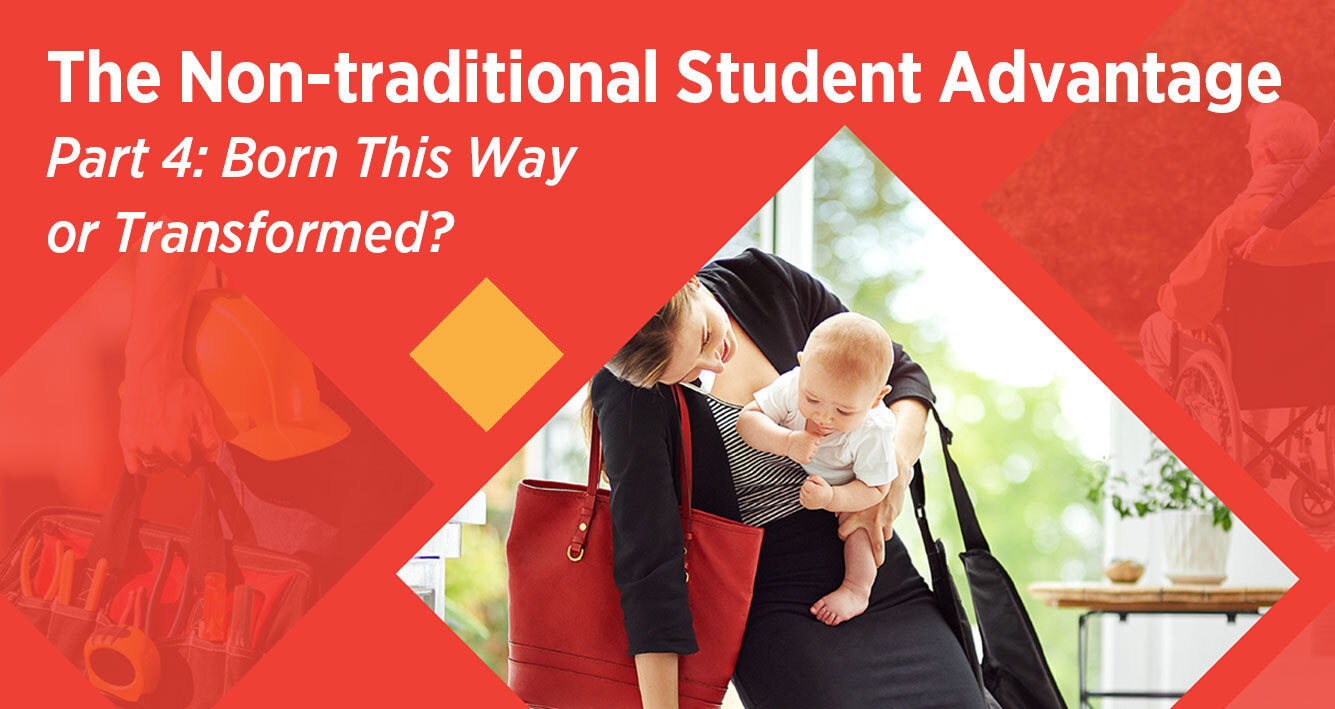
The Non-traditional Student Advantage Part 4: Born This Way or Transformed?

Growth-minded institutions are taking a long, hard look at their approach to non-traditional students. 

This is part 4 in our 5-part blog series on reaching and enrolling non-traditional students. Here are links to part 1, part 2, and part 3.

Truth is, courting and supporting non-traditional students has been part of the mix for decades. Most institutions of higher learning have embraced this broad swath of students. For some, the non-traditional market segment was part of their original focus. We think of them as “born this way.” For others, they are demonstrating market adaptability. We call these institutions “transformed.”  

 Which type is your institution? 

 Both have strengths to embrace and challenges to overcome. 


This ebook provides a very comprehensive look at non-traditional students. Many adult learners think that they are too late, too old, and will not fit in. In reality, there are more non-traditional students than traditional pursuing their education. Marketing to this audience is challenging as they are often working full-time and may lack the confidence to go back to school. This book offers real strategies that we should all consider.  ~ Dr. Richard Carter, Associate Vice President for Global Engagement at University in South Alabama 


Read on to take a closer look at these two roads to an institutional identity that embraces non-traditional students. We will consider the strengths and weaknesses associated with each route, while also offering food for thought about your own path. 

Read More
EdTech: Coursera’s Role in the 4th Industrial Revolution

Move over, American Inventor Eli Whitney, we’ve come a long way since the cotton gin. We are in the midst of the booming Fourth Industrial Revolution.

Just in case it has been a while since you’ve been in a history classroom, here’s a tiny refresher:

  • First Industrial Revolution—mechanization
  • Second Industrial Revolution—mass production
  • Third Industrial Revolution—automation
  • Fourth Industrial Revolution—cyber systems and networks

If you need to brush up on your history, there’s a course for that on Coursera—the newest EdTech unicorn in the revolution.

Valuable Side Note: boosting conversion rates & measuring communications effectiveness. Our NAFSA session is coming up and we'll be discussing how to improve your digital connections with international prospects. Intead and NEU offer up best practices. Check it out our fun 49 second promo...

Join Intead Plus


But why is Coursera such a big deal in this modern revolution? Read on...

Read More

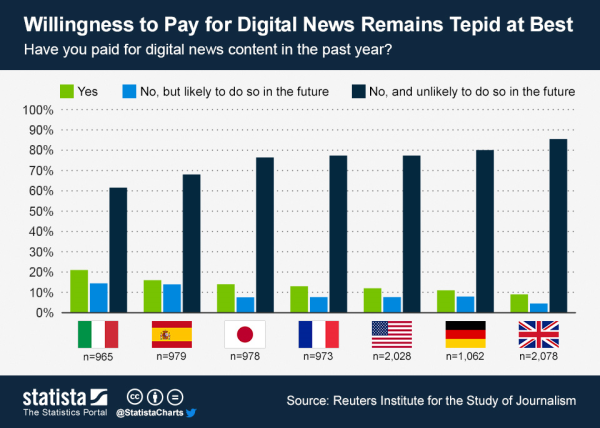
Willingness to pay - a bigger challenge ahead for universities

Tuition discounting is a common way to attract students and or to make the university program affordable to potential students. Universities will encounter an even greater mindset challenge in respect to price as digital courses, MOOCs, and hybrid courses proliferate and become more acceptable as an education credential to employers.  At that time, pricing will be an even bigger issue since you are looking at the willingness to pay at all, not the level of payment. I speak from experience since I spent many years of my professional life in the digital content industry convincing consumers to pay for what was available for free elsewhere.  My experience was rooted in the social expression industry marketing paid online greeting cards, instant messenger content and mobile content, generally widely available for free. Nevertheless,we were able to show value and millions of consumers were willing to pay every year for that digital content. 

Read More