
Recruiting Intelligence

The US is Having A New Coke Moment

In 1985, Coca-Cola’s leadership concluded the soft drink needed to change. Sales of nemesis Pepsi were on the rise and thousands of blind taste tests suggested consumers preferred something sweeter. Their answer: New Coke.

So, on April 23 of that year, they unveiled an “improved” formula, giving consumers a new taste, new logo, and a massive new product rollout. Welcome to New Coke. You can imagine the financial investment made.

Almost immediately, consumers revolted. Recorded consumer sentiment:

“Changing Coke is like breaking the American dream, like not selling hot dogs at a ball game.”

“My dearest Coke: You have betrayed me.”

“Millions of dollars worth of advertising cannot overcome years of conditioning. Or in my case, generations. The old Coke is in the blood.”


MEET US AT AIEA 2026!

We'll be presenting:

  • Resilient IEM: A History Lesson for Managing Current Chaos
  • AI: Your Old SEO Approach No Longer Cuts It

Or, be in touch to grab a cup of coffee. We'd love to connect!


That’s just a taste (so to speak) of the feedback Coke received. The company had wanted to re-energize the brand. They clearly energized something!

The company fielded up to 8,000 calls a day from dissatisfied customers and received over 40,000 complaint letters. Imagine if social media had existed then. Sales volume plummeted sending rival Pepsi sales through the roof. In today's dollars, this was roughly a $100M mistake.

Clearly, Coca-Cola got the message. A quick 79 days after New Coke’s launch, the original formula was back in market, rebranded as Coca-Cola Classic. Sales soared beyond previous highs. Consumers didn’t just return; they came back with enthusiasm and loyalty. Within a year, Coca-Cola was outperforming Pepsi more decisively than before. The Coca-Cola brand had emerged stronger than ever.

Why bring this up now?

Because the US is experiencing a New Coke moment all its own. You feel it, too, right?

Read on… 
Read More

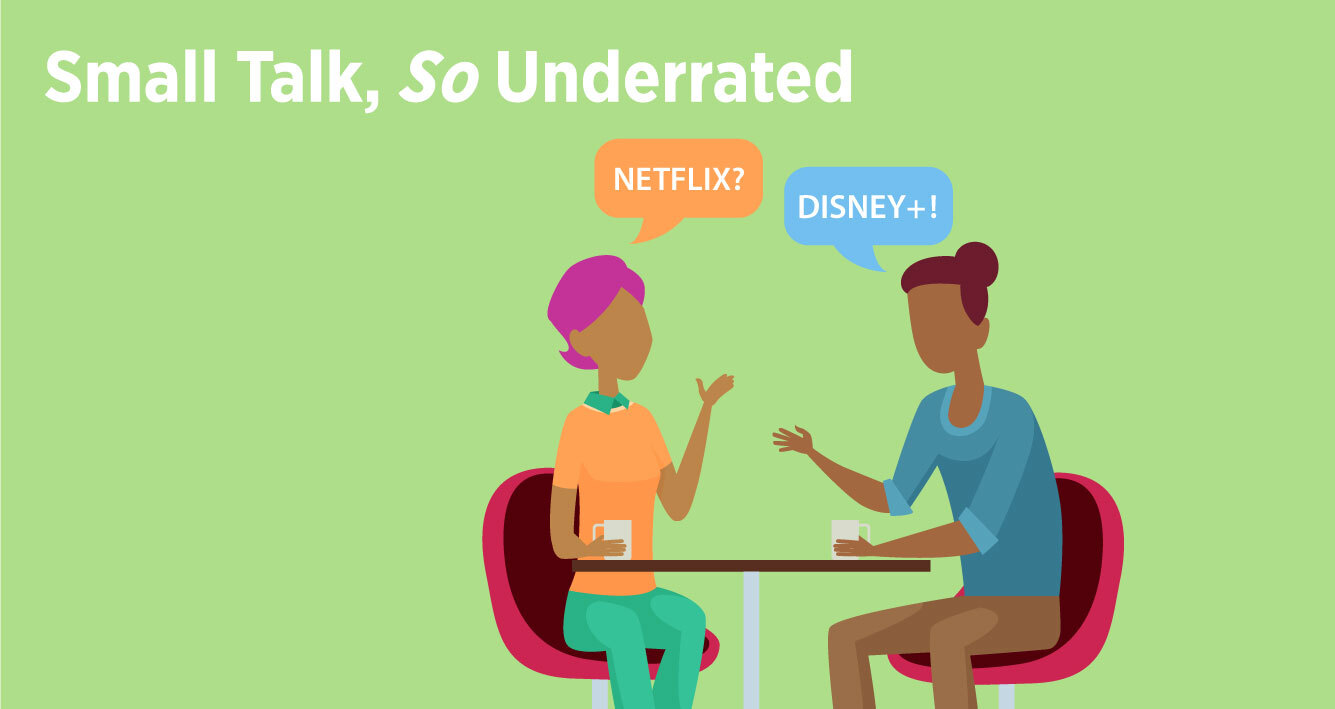
Small Talk, So Underrated

You are welcome here.

DEI efforts to address inclusion.

These are big concepts that deserve big discussions on campuses everywhere. Discussions with senior leaders setting policies and developing programs to make everyone on campus feel involved and connected.

And to make all that happen, that feeling of being welcome and included, will rely on some of the small things that often are met with eye rolls. Yet, these small things are really important to this whole inclusion effort.

You know that inside joke and the trendy celebrity stuff you are not on top of? The conversation that just kind of left you like roadkill as it blew right by? Maybe silly. Perhaps kind of uncomfortable. Happens to all of us. And it happens to your new students frequently. Domestic, yes. International, all the time.

If you think small talk is meaningless, think again.

In our work for a large, highly ranked Midwestern institution, we were talking with Pham (not his real name). He traveled from Vietnam for his US studies. A natural networker, smart, interested in business, he chose to major in Business Management Information Systems and Finance. With that degree, it is no wonder he was snapped up by Deloitte where he currently works as a Senior Consultant in Tax Management.

To hear Pham tell it, connecting to the US community with small talk was critical to his success. He came to understand this during his studies as he tried to connect with the other international students and with his American peers. He found he was struggling to make friends.

Read on for Pham's perspective and our tips for getting these really important conversations started. It is all about personal and student success. 

Read More

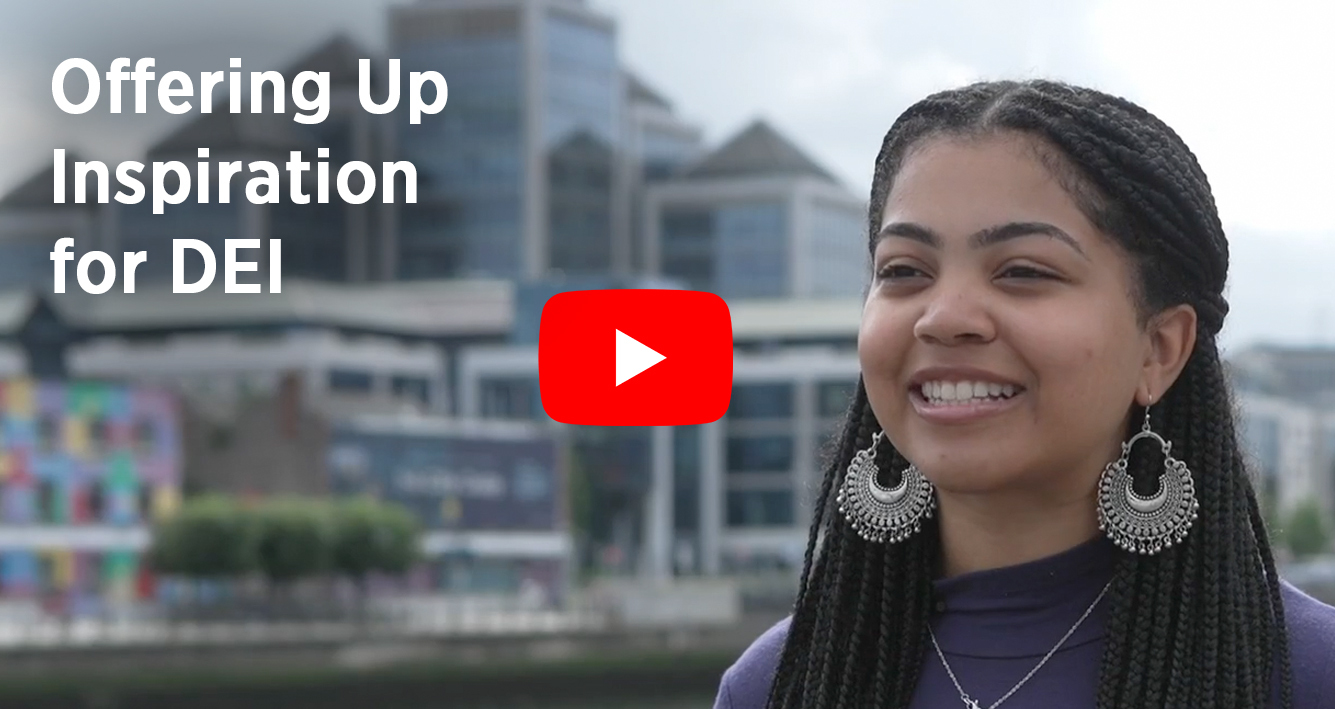
Offering Up Inspiration for DEI

When Vice President Harris said, “Your nation is SO proud of you,” to a group of 20 Frederick Douglass Global Fellows, you could not have found more inspired university students anywhere. Absolutely anywhere. Their eyes said it all.

International education speaks deeply to all of us. And yet it remains inaccessible to so many. What we know is that roughly 6% of US students participating in study abroad are Black. How to make this privilege and opportunity available to many, many more?

Intead’s international team has been deeply honored to work alongside our colleagues at CIEE on an inspired and inspiring project – a concerted effort to bring the opportunity of international education, experiential education, to more BIPOC students. In just a few months, we’ve watched this effort draw pledges from dozens of university presidents who have matched CIEE’s scholarship funding to allow more students to experience the power of international education.

As the Frederick Douglass Global Fellowship barrels forward with applications for 2022 now open, we bring you this bottle of inspiration — a 5 minute film featuring the perspectives and experiences of the 2021 cohort. This will lift your spirits and get you thinking.

To hear Dr. Roslyn Clark Artis, president of Benedict College tell it, this program offers a lot and demands just as much back from the students who participate. Frederick Douglass Global Fellows and Scholars have a responsibility to share what they’ve learned as they become leaders in their chosen fields. To be, as one Frederick Douglass Global Fellow put it, “the first of many.”

We are gratified to see university presidents not just encouraging, but taking real action — signing up to catalyze their DEI initiatives in a valuable and visible way through this program. Will your institution be next? 

Read on to watch the film and hear from these future change-makers. 

Read More

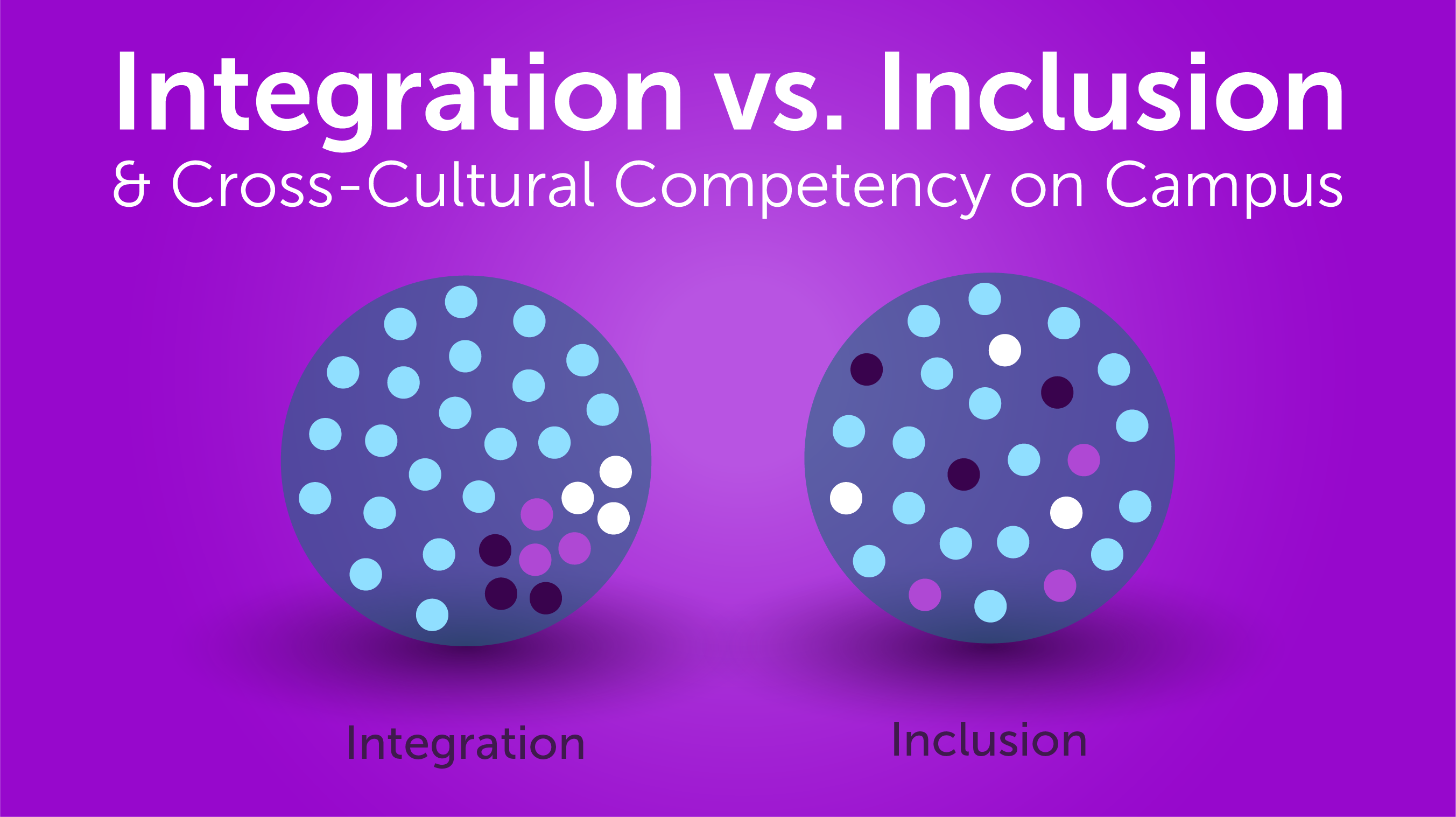
Integration vs. Inclusion & Cross-Cultural Competency on Campus

So, you have international students on campus. . . now what? We all know that the work doesn’t stop there. Your colleagues must have the tools and resources available to help students adjust both socially and culturally into campus life. 

As educators, we always strive to promote global awareness and perspective, but sometimes it can be difficult to foster this development on our own campuses. Questions that need to be asked every year—do we give students opportunities to interact across social and cultural backgrounds in all aspects of campus life? In the classroom, are there ways to foster greater inclusion with curricula and team assignments? In the end, are we producing alumni who are culturally literate and effective in a global workforce?

Achieving long-term institutional success through internationalization requires organizing on-campus resources to facilitate the types of interactions that open minds and build cross-cultural competencies. With supply chains, basic communication and daily business interactions in all industries going global, graduates entering the workforce need cross cultural perspective and skills. They need to be comfortable working with and managing a diverse set of colleagues. The universities that "get" this will produce more effective and powerful alumni.

This is a topic that has been discussed for years at NAFSA, AIEA and other higher education forums, so we wanted to highlight some of the best practical solutions that we have heard, read and discussed with higher education experts. As we take our regular summer hiatus from posting to this blog, we thought this discussion on integration and inclusion would send us off on a positive note. We hope that you will take the opportunity to join us at the NACAC conference in Boston this September or at NAFSA Regional in Princeton, New Jersey this October! We will be offering up some great new research on international student trends and the digital tools that help you reach them.

Read on for a selection of innovative tips & techniques for achieving inclusion on campus and fostering cross-cultural competency...

Read More

Campus Diversity, Cultural Competency and International Students

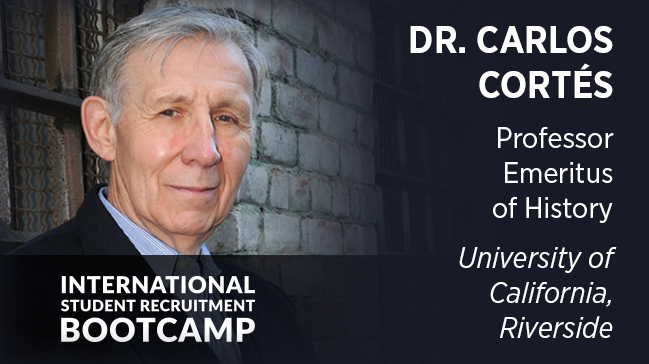
Dr. Carlos Cortés has had an amazing career and tells a great story. He was one of our keynote speakers at our International Student Recruitment Bootcamp back in January and we’ve captured the best parts of his talk here in an 18-minute podcast.

Along with a great talk and discussion over dinner, everyone who attended received a signed copy of his book Rose Hill: An Intermarriage Before Its Time. This was a treat. And now we can share it with all of you.

Dr. Cortés addressed campus diversity and cultural competency issues from a unique perspective. And he asked us all to consider some provocative questions that are hot issues on campus today. How do we evaluate our desire for freedom of speech when students are fighting to squelch offensive speech? And what does this mean for the integration of international students who are learning English as a second language?

Take a listen to his fascinating talk. You’ll be glad you did.

Read More