
After months of visa delays and a June freeze on student visa interviews, the numbers are in. No doubt you’ve seen them. And we all anticipated them. For those in the know, there was no surprise here.
New international student visa issuances dropped 36% year over year – an indicator of continued enrollment declines on the horizon. And if you are just talking about India–with its 62% drop–the picture is even more stark. The impact is uneven across the U.S. High prestige (aka the highly rejective) institutions will not struggle for enrollment. Others have some adapting to do.
But we don’t trade in pessimism.
Our view is more pragmatic. Because there’s always a path forward, if you know where to look and how to act. Challenge is the source of opportunity. Some will fall by the wayside, and usually, those are the unprepared, less thoughtful, highly inefficient, and fearful-of-change institutions.
The fact is, the US continues to hold the title of most sought after study destination while other valuable study destinations have rising allure. Lower cost paths such as US community colleges have a stronger power to draw than they have in years past. And the two tools we've been harping on since 2015 are suddenly aha moments for so many in our field: international alumni networks and a focus on career outcomes.
Those of you who are long-time followers of this blog are nodding along as others seem to be just waking up to long-time student motivation realities.
Meet Intead!
- Find us at ASU+GSV in San Diego in April and NAFSA in Orlando in May . Be in touch to share a cup of coffee in person.
eBook Reboot: 88 Ways to Recruit International Studentsupdated for our times. Your tactical toolkit for the year ahead. Covering all the bases in 10 quick-read chapters. Fosters great ideation discussions with your team.
And so, this past quarter we asked: What holds leadership back from strategic investments in internationalization? What data should we trust? Where can we find clarity? What is going on with digital and search these days? And, if we’re being honest, where’s the sanity? Because it’s in short supply.
-
6 hesitations leadership leans on when deciding not to invest in internationalization
-
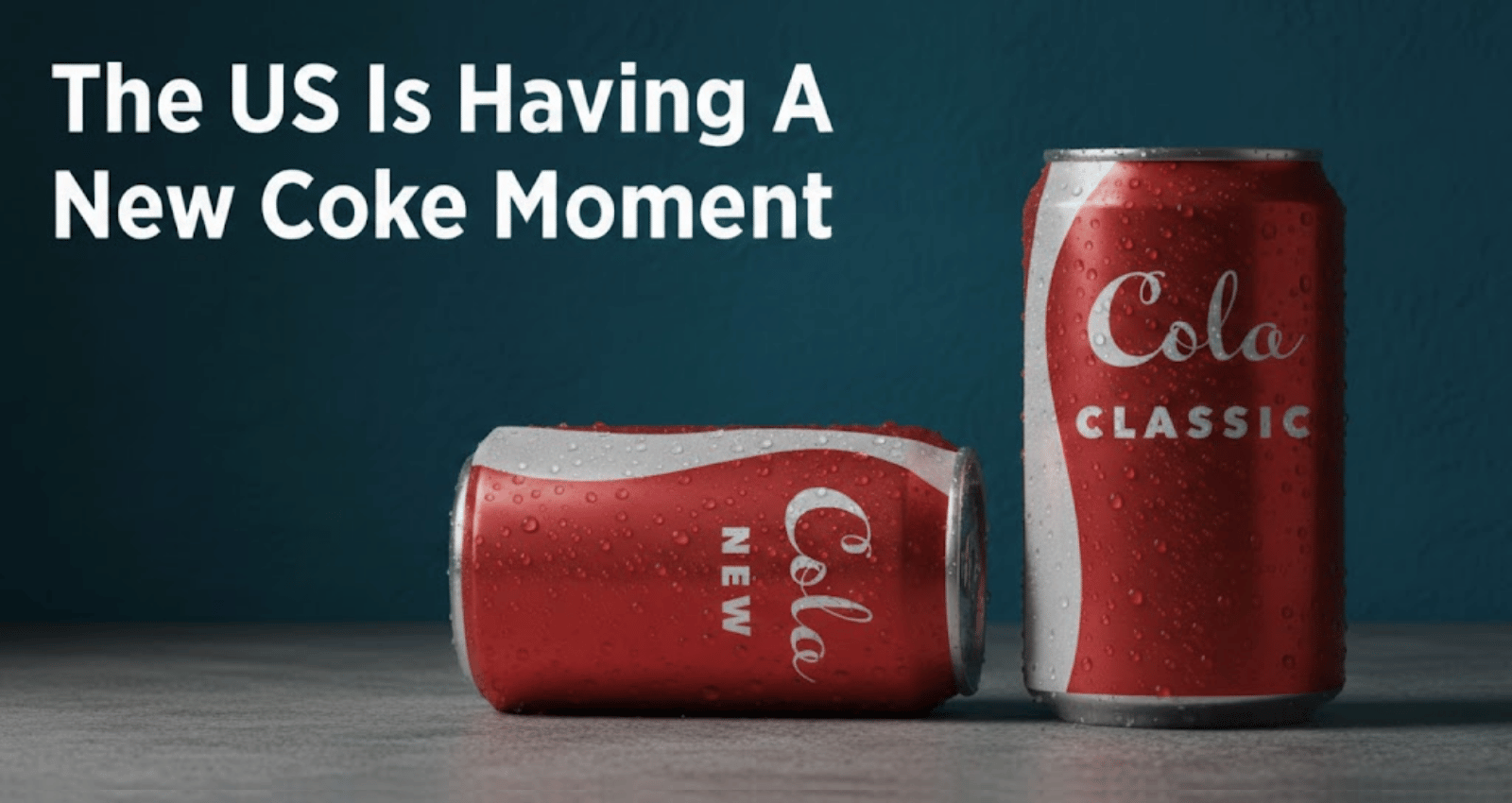
Recognizing our “New Coke” era
-
What to know about vibe coding
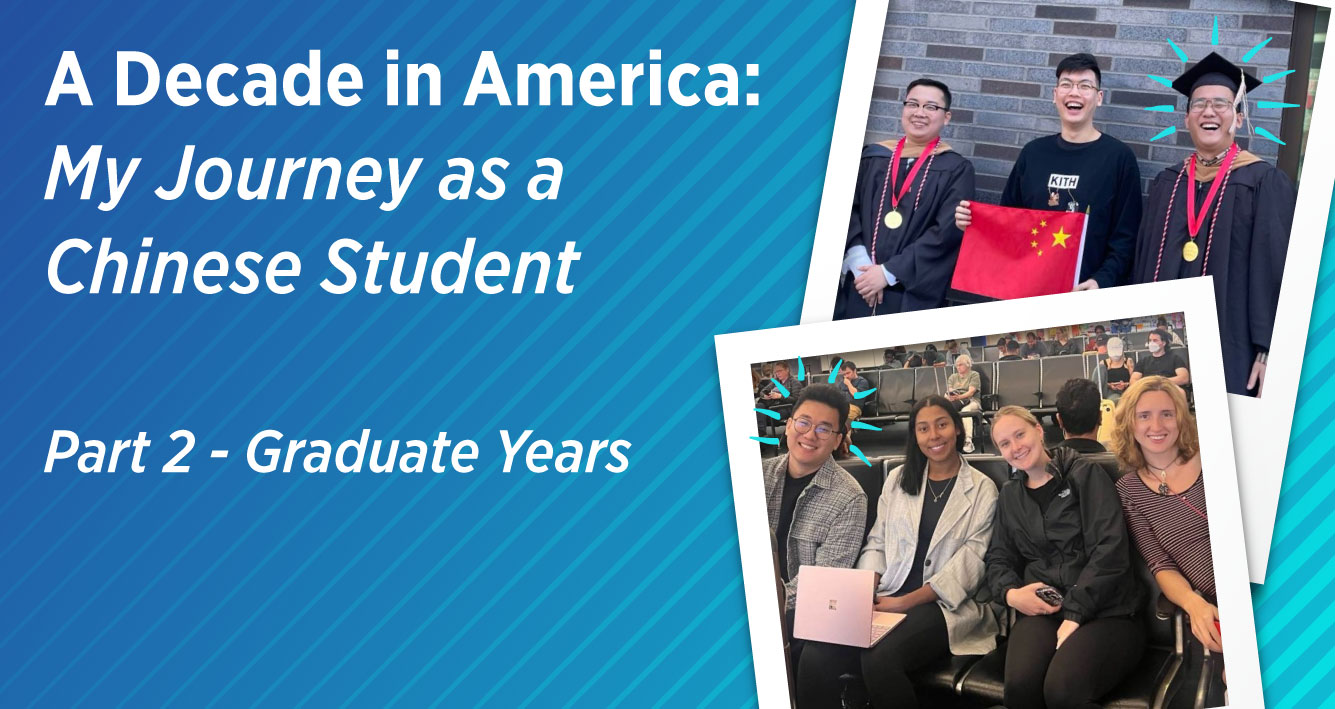
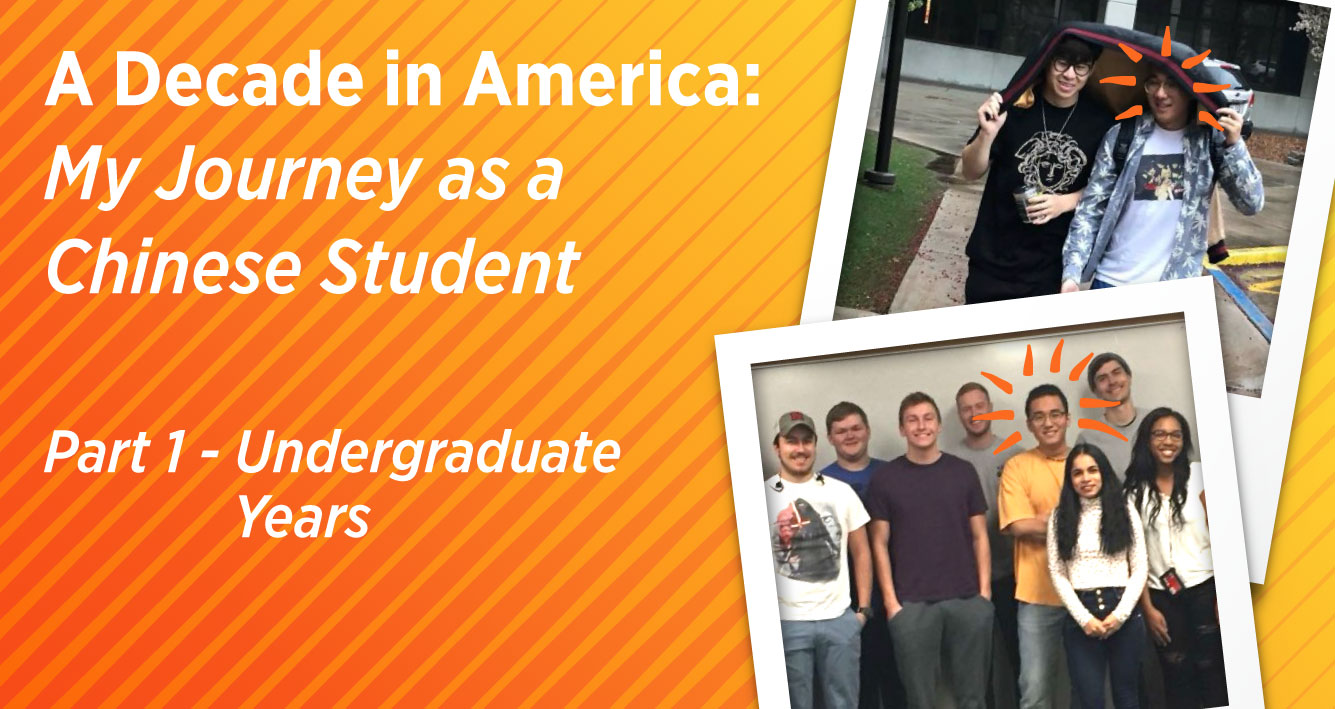
- The Chinese student in America experience, as told by Tianyu Shen
Miss any of these? No problem. Read on for quick access to each…