
Recruiting Intelligence

The Non-traditional Student Advantage Part 2: What Exactly Makes Them Non-traditional?

For a while, there were fairly common rules. First you graduate high school around age 18. Then go to university. Four years later you graduate with a degree and an employable set of skills. Got it. 

But times have changed. And university tuitions don’t stop rising. And that’s exactly what’s happening right now. Traditional students are heading for the enrollment cliff making way for a more non-traditional set of students. And that means new rules.

Last week we started this 5-part blog series on reaching and enrolling non-traditional students

Today’s students are vastly different from those of decades ago, but colleges are still structured as if 18- to 21-year-old, full-time students are in the majority. ~ The Lumina Foundation Report on Today’s Students

Let’s look at the basics. Typically, a traditional university student is:

  • 18-24 years old
  • Enrolled full time
  • Lives on campus
  • Financially dependent

Intead’s ebook is a timely resource appropriate for the seasoned administrator as well as educators just beginning to tackle the challenges of digital marketing today. Bringing together expert advice from experienced administrative colleagues and successful marketing strategies from work with Intead’s institutional partners, this book stimulates the reader to address the recruitment of non-traditional students from a holistic context that pays attention to student learning methods, delivery of academic content, academic success services, and other areas of student support non-traditional students need to achieve their goals. ~ Jon Stauff, Assistant Vice President for International Affairs at South Dakota State University


Per the National Center for Education Statistics (NCES), of the 15+ million students enrolled at US Colleges and universities in 2021, nearly 65%  were between ages of 18 – 24. Of course, age only tells us so much. A student can be both 18 and non-traditional.

By NCES standards, a non-traditional student is someone who meets one or more of the following criteria :

  • Outside the traditional 18-24 age range
  • Financially independent
  • Has one or more dependents
  • Is a single parent or caregiver
  • Does not have a high school diploma
  • Delayed enrollment into postsecondary education
  • Works full time
  • Enrolled part-time

Other bodies of research define the term more broadly, also including students who are either married or are veterans.

And yes, we hear you. There’s more than a few of you who are bristling at our use of the term “non-traditional.” Truth is, traditionally “traditional” students are no longer the overwhelming majority. And that matters. Which is why understanding the growing and highly important non-traditional audience has become a priority for enrollment teams. In fact, it should be a priority across all of your departmental teams, from nutrition services, to housing, registrar, IT, and career services. (Please tell us that Academic Affairs, Student Services, Career Services and Development are considered a given.)

We can ditch the non-traditional label in due time.

You may see where this is going and why it is important to you as an enrollment professional. The demographic cliff has arrived and non-traditional students are one option for your institution’s continued success. Take a few minutes and we will help you clarify the path forward.

Read on to learn more about reaching specific non-traditional student market niches and the process of engaging them…

Read More


The Non-traditional Student Advantage Part 1: It’s Becoming Even More Common

Meet Darlene. Her journey as a non-traditional student is one you need to know. Not because it’s unique. But because it no longer is.

Darlene’s dad was a full-time tractor trailer mechanic who stopped his education after high school to take over his father’s business. Her mom was a stay-at-home parent who did not pursue college. It was Darlene’s older sister who became the first in the family to obtain a postsecondary degree.

In high school Darlene was a good student. She even received a trustee scholarship to attend the same university her sister did, but she had her eye on another school. Still, mostly because her parents were footing the bill, she gave that college a try. It lasted a year. Despite her 3.5 GPA, she never did feel at home there. So, she paused her education and went to work. 

You may see where this is going and why it is important to you as an enrollment professional. The demographic cliff has arrived and non-traditional students are one option for your institution’s continued success. Take a few minutes and we will help you clarify the path forward.

Darlene started as a part-time teaching assistant before spending three years working at Walmart. Then Darlene found her way to an office associate position at Columbus State Community College where she thrived. It was there, while successfully holding down a full-time job, she finally returned to her academic pursuits and enrolled in a digital design and graphics program.

She worked full-time while fitting in courses at night, on weekends, and online. When she needed to take classes during weekdays, her department chair was willing to adjust her schedule. And it worked. She earned her associate degree and even got her tuition covered thanks to her school’s tuition reimbursement program.

But that’s not the end of Darlene’s student journey. In fact, a few years and one state later, a friend encouraged her to return to school, but Darlene wasn’t sure if it was the right time. After all, along with her associate degree, she now had a husband, a child, and a full-time job.


This must-read primer will help anyone looking to better position their institution within today’s complex and competitive recruitment landscape. Read this publication, share it with your colleagues and then apply its insights to your marketing strategy. Non-traditional is quickly becoming the new traditional. This is your guide to adapting to the new competitive environment. ~ David Di Maria, Associate Vice Provost for International Education at University of Maryland, Baltimore County


It took her all of one week to decide. She had heard from a friend who had heard from a friend that Western Governors University was a good program. So, she applied.

 “I was surprised more people haven’t heard of the university. It’s fully accredited and has a really good success rate as far as graduation and employment rates,” she said.

Beyond the word-of-mouth approval, Darlene chose WGU because the price was right and the program was highly flexible. It was online and offered a “competency unit” curriculum that allowed her to go at her own pace and take as many classes as she wanted for a flat rate. WGU also provided her with a supportive student mentor who connected with her weekly and served as an involved mentor. In a few years’ time, she earned her B.S. in Business—Human Resources Management.

It's a success story for sure, but is Darlene’s degree the end of her student journey? Time will tell, though she does offer a hint at her mindset: “I want to make sure that I can continue to grow professionally, both in terms of responsibility and salary.”

Are you taking notes?

Darlene’s story is one of perseverance and it’s one of practicality. It takes a whole lot of both to make postsecondary education a possibility for non-traditional students.

Understanding that matters a lot, especially as you seek to fill the void being left in your enrollment from the decline in traditional students. Read on for our take on what you should be doing now to engage with this key audience now…

Read More

Humanizing the Education Agent

Is it all about the enrollment numbers? Hitting “the number” is the driving force behind so much effort. So much pressure. A growing number of US universities now use education agents. And now, more universities are evaluating agent aggregators. Many have contracts in place with aggregators already and we hope those early adopters take a squinty-eyed, very close look at the results of those contracts.

How many applications? How many enrolled? And the quality of those students throughout the process. Are they succeeding academically?

If you are not familiar, check out our post and a recent (Dec 2022) lively ICEF panel discussion here. Hitting you in the face is a changing student landscape, the pressure to hit your enrollment number, and the agent aggregators who may be able to help, and quickly. Also in your face: the question of trust and integrity.

Some institutions have a hard enough time outsourcing their recruitment to individual agents, even those with third-party accreditation like AIRC. And beyond education agents who also use subagents, agent aggregators are farming out recruitment processes on a massive scale around the world using online platforms to scale the work rapidly. Questions arise as to how well any particular subagent is familiar with your institution, much less whether they are vetted for integrity.

Smart institutions want to know who’s representing their brand on their behalf. Fact: there’s just not enough transparency right now in this student recruitment system.

To be clear, we are in favor of agents. Human agents with whom you can connect directly, vet their talent, train, and guide. Intead has been a strategic partner to AIRC for more than a decade and our team fully supports ICEF’s efforts to bring enrollment leaders together with education agents from around the world. Both organizations push for clearly articulated best practices.

For more insights, check out our webinar with AIRC about the State of the Field. Our Intead Plus subscribers also have access to our ebook on University-Agent Partnership Trend Data and our Agent Management ebook all in our resource library available to all.

What we all know is that the system is less than perfect and students lose out when universities and agents are not doing their jobs with integrity.

Education agents, when brought into the fold as a partner, can be incredibly valuable. The key: partnerships, as in humans supporting other humans. 

Like any relationship, a meaningful partnership is built not bought. Is this even possible with the aggregator trend? Scale brings problems and when folks are lazy (and human beings tend to be), scale can bring disaster.

Look at the agent aggregator model from a simple business process point of view. If a company has 7,000 vetted partner sales offices, that company would need a robust credentialing team to monitor and control for quality. They would have a defined process for maintaining a certain quality of sales office staff hiring, training, work processes, and regular review of results delivered. Consider the level of effort hospitals go through to confirm the credentials and qualifications of their clinicians and physicians who have admitting privileges.

As you consider signing up with an agent aggregator, we highly recommend you ask tough questions about their staffing process, the vetting, and the monitoring. For institutions sharing their brand reputation with these outsource partners, it is buyer beware. Like super beware.

If you are not finding the quality control measures in place on the agent aggregator’s side, that means the quality control must be staffed on your side. Which then starts to beg the question: what are you paying for? Answer: the broad, global connection network. Keep in mind, that is something you can develop yourself in a way that is more targeted and more sustainable over the long term. Many institutions with thousands of international students started that process years ago and rely on their network today.

Not sure how to evaluate or where to start? Drop us a note.

Some of these aggregators are growing fast and coming on strong. They are shaking up the education market and making trusted agencies nervous. There are simply too many subagents operating in anonymity. Anonymity creates opportunities for questionable behavior (and we are being nice with our choice of words here).

 As we all broaden our scope to avoid the US domestic enrollment cliff and fold new target regions into our recruitment strategies, agents have an important role to play. Read on for 3 valuable tips on how to get the most out of this potentially beneficial partnership. Hint: it all comes back to developing trusting relationships with fellow, reliable humans.

Read More

You’re In the Right Place: Predicting the Future of Student Recruiting

The enrollment cliff has everyone a little on edge. People are burned out and frustrated. Leadership is looking for bigger gains in shorter time frames. And traditional students just aren’t showing up in ways they traditionally have.

It’s so clear that higher ed is at an inflection point. Thank the pandemic. Thank technology. The economy and unpredictable job market. The changing student landscape. What you need now more than anything is support. Ideally in the form of a soothsayer to tell you where and how to invest your time, energy, and resources. If only.

Our advice: take a deep breath and read this post.

While soothsayer we may not be, we do have some perspective on what lies ahead. And our record for predicting changes in the market has proven accurate for more than a decade. Long before the recommendations below became standard practice in enrollment management (they all sound so obvious now, right?), we advised colleagues to:

  • Make better use of your CRM (or get one if you don’t have one), and embrace the add on features and API connections that improve tracking and results.
  • Identify staff with the skills you need for each function of the enrollment process. Your creatives are not your meet and greeters and they are not your data analysts. You need all of these skills.
  • Develop your international alumni as global ambassadors. (Most of you are still not doing this).
  • Find reputable commission-based recruiting agents in your target countries and invest time in managing them very carefully.
  • Train your domestic recruitment team in the nuances and needs of international students already studying in the US so they know how to address the important topics (visas, parental concerns, economic realities, etc.)

We know, it’s all old hat now. But a decade ago, very new to international enrollment management teams.

Today we are facing some pretty significant headwinds. Post-pandemic changes to how students evaluate universities. Growing financial pressures facing families. Increasing importance of careers and the ROI of your degrees. Heightened interest in certificates and shorter paths to career growth. Political divisiveness harkening back to the US civil unrest of the 1960s (or 1860s?). Are you factoring social justice including climate activism into your marketing plans?

These factors are all part of the student and parent mindset as they evaluate investments in university level education. The pool of nontraditional students is much larger and more diverse than the shrinking traditional student pool. And yet, the international student pool is one that is growing and projected to grow dramatically in the coming years.

If you’re ignoring any of these market segments, we strongly advise you don’t. Our analysis of and predictions about what influences student decision making, the tools and processes you need in place to be both efficient and effective, this counsel has been spot on for a very long time (our blog records act as our receipts).

You’re in the right place. Read on to be sure you are able to anticipate what is next and what to do about it.

Read More

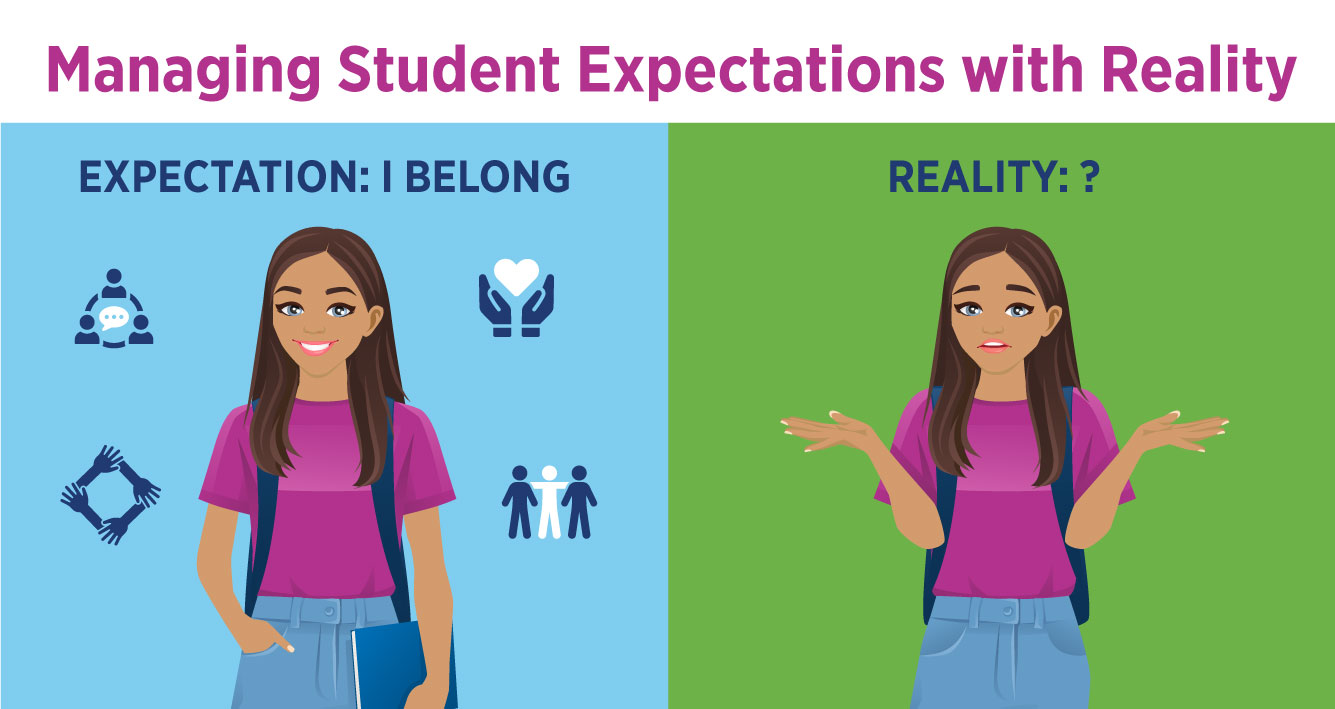
Mind the Gaps: Managing Student Expectations with Reality

Let’s talk about the gaps between your international students’ expectations of studying in the U.S. and their actual experience. You know, the sort of expectations on which retention is built.

Sure, some of the ideas international students have of what it’s like to study in the U.S. are based on factors beyond your control. But a lot of their anticipation is based on promises – literal and otherwise – made by your institution. It’s now up to you to deliver.


We Are Here at NAFSA 2023: Our presentation with SIO Paulo Zagalo-Melo (Western Michigan University) and Reporter Karin Fischer (Chronicle of Higher Ed) is at 9:30am today (Wed. May 31). A reality check with the data that informs our student recruitment decisions. Hope you'll join us. Be in touch to meet with us during the conference. We'd love to share a cup of coffee and talk all things student: info@intead.com.


To help you deliver on student expectations, we’ve gathered a few key tips worth evaluating and potentially implementing when recruiting and supporting the international students interested in your campus. Hint: it’s all about meeting international students where they’re at. For more perspective on the importance of maintaining a student-first approach see our recent post.

In the meantime, read on for 5 quick ideas on how your institution can narrow the gap between expectations and the reality your international students experience. Recommendation number 5 is likely the most important if you’ve not already done it.

Read More

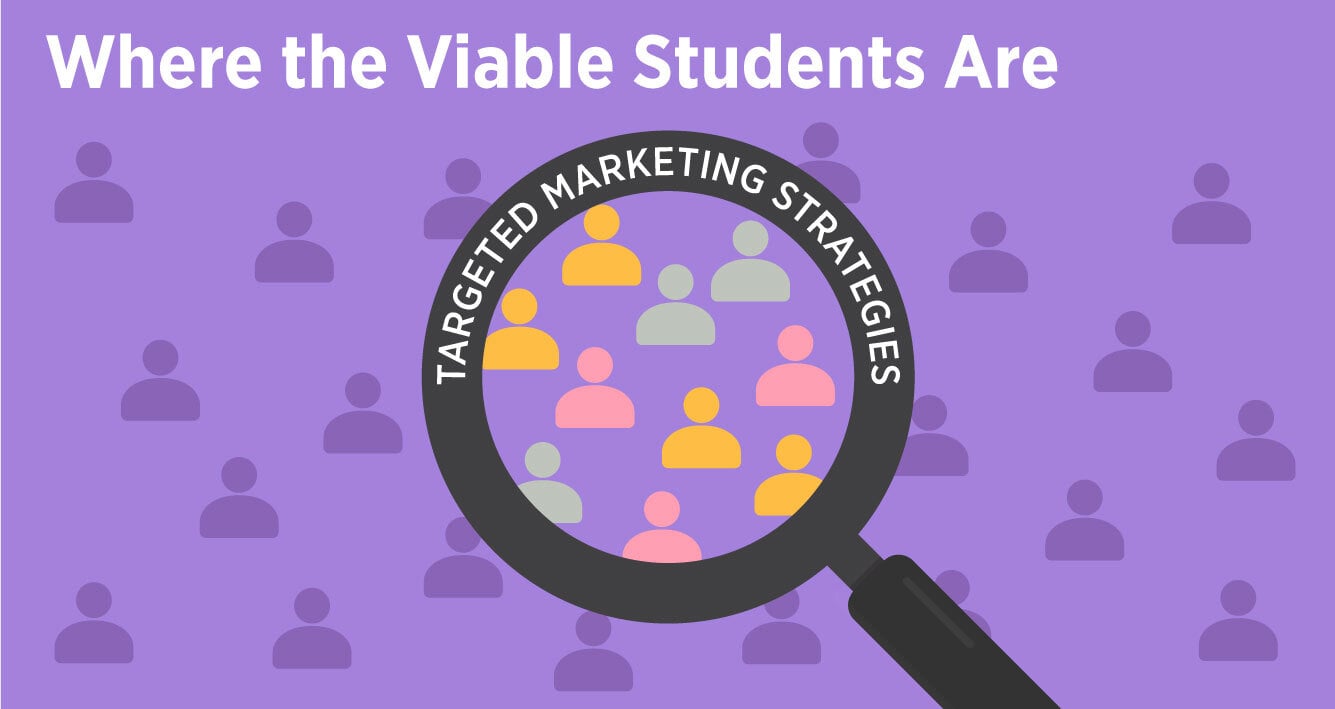
Where the Viable Students Are

Reading Jon Boeckenstedt’s piece “I’ve Worked in Admissions for 40 Years. It’s More Stressful Than Ever,” published last month in The Chronicle of Higher Education felt like a familiar conversation. It will help remind you that your admissions stressors are not yours alone; you’re in good company. (Jon is vice provost for enrollment management at Oregon State University).

That article was a particularly apt read coming on the heels of the Association of Governing Boards (AGB) annual conference where university trustees and leadership gathered to discuss big industry issues (read Intead’s key takeaways from that event here). These individuals were representing the other side of Boeckenstedt’s coin.

On the one side is “The Number.” Those enrollment targets or revenue figures that are at best daunting, at worst utterly unreasonable to actually meet. And these numbers seem to grow higher each year. On the other side of the coin are leadership’s own goals – namely having to do with the very viability of the institution you’re serving.

Truth is, there really is no toss-up. The coin lands leadership side up every time.


Heading To NAFSA 2023: Our presentation with SIO Paulo Zagalo-Melo (Western Michigan University) and Reporter Karin Fischer (Chronicle of Higher Ed) will be on Wed. May 31 at 9:30am. A reality check with the data that informs our student recruitment decisions. Hope you'll join us. Be in touch to meet with us during Nafsa: info@intead.com.


So, the churn continues. Your target numbers rise. You must be able to think quickly, act nimbly, and produce the enrollment results. This is where a good partner comes in (yes, shameless plug, but it’s so true).

The way we see it, there are three pools of students that represent growth opportunities right now:

  1. International students
  2. Adult learners
  3. Underprepared students

Read on for our quick perspective on these 3 pools and the unique approach needed for each to first, choose your campus, and second, to succeed there.

Read More

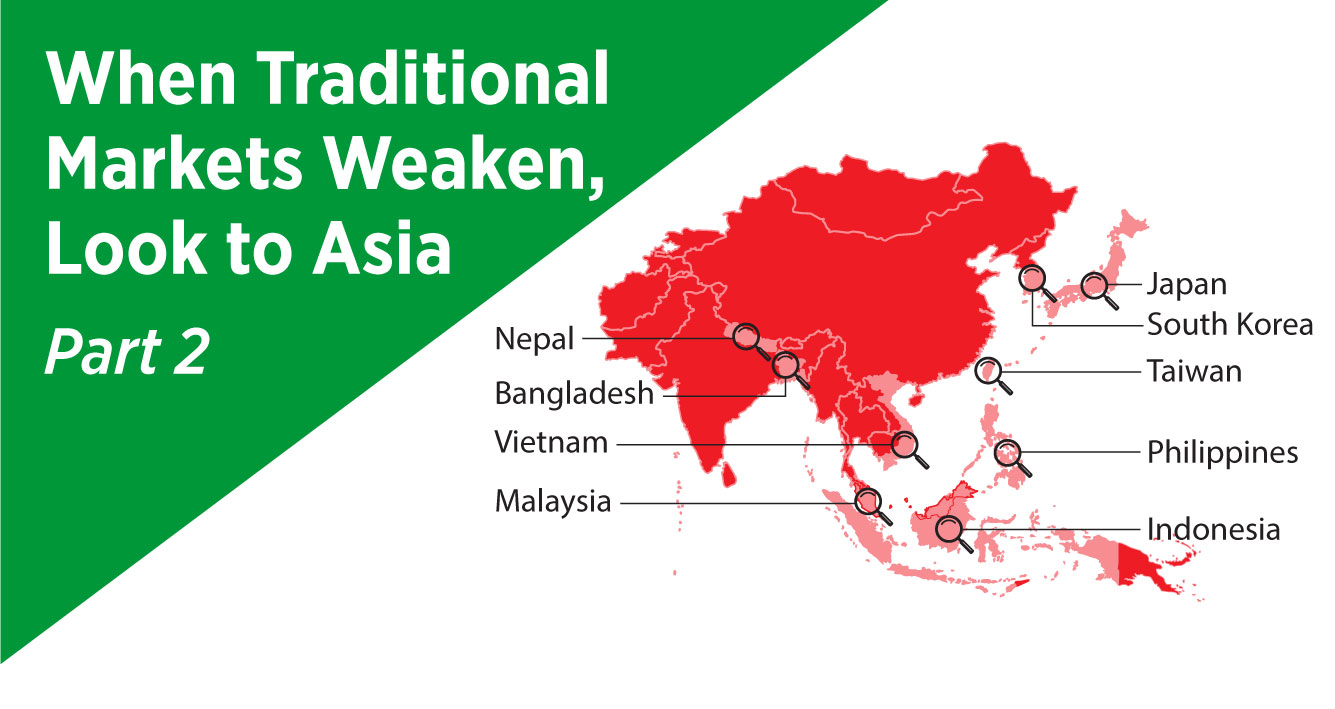
When Traditional Markets Weaken, Look to Asia Part 2

Emerging markets are the talk of the town in the world of international student recruitment. Diversifying enrollment takes many forms. Looking beyond the traditional global student sources has become a valuable exercise.

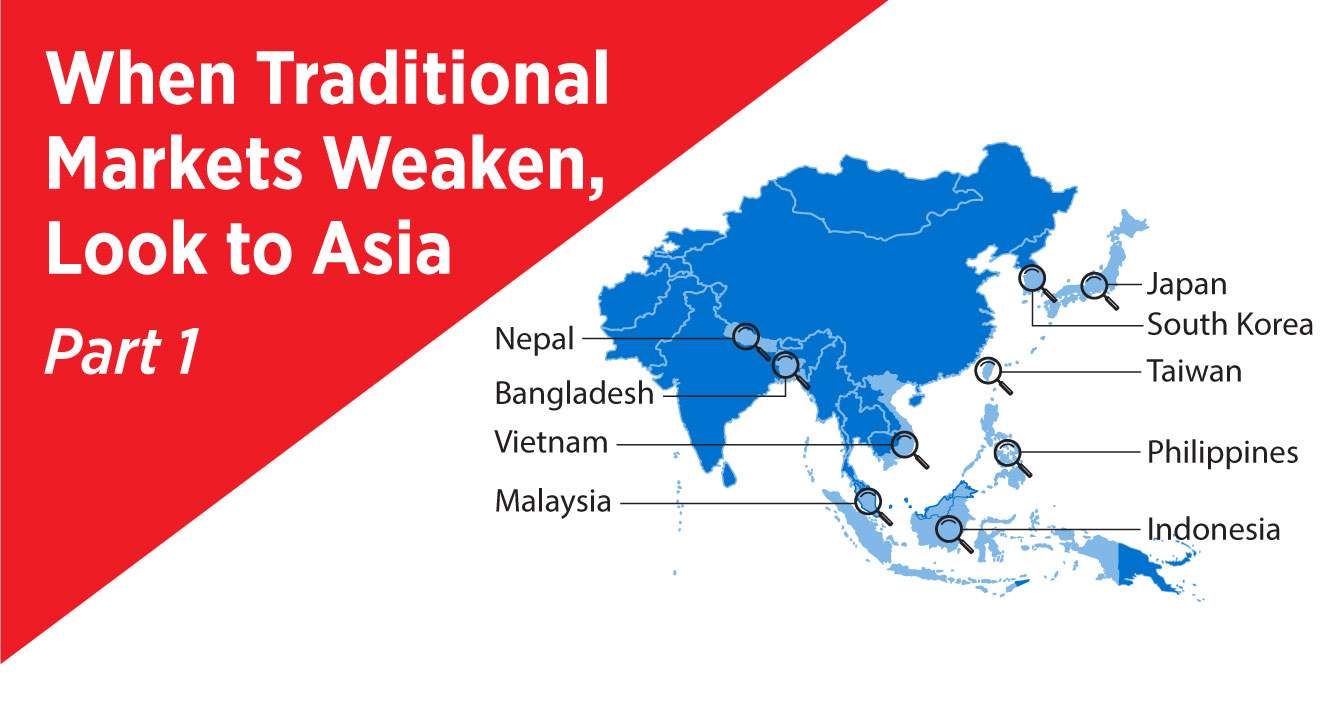
Last week we took a look at South Korea, Vietnam, Taiwan, and Japan (part 1). This week we turn to Nepal, Bangladesh, Indonesia, Malaysia, and the Philippines.

We are looking at the 3 key indicators that act as a first level screening to see if they point toward student sources worth deeper evaluation: a rising youth population, rising incomes, and employment opportunities for returning students.


Heading To NAFSA 2023: Our presentation with SIO Paulo Zagalo-Melo (Western Michigan University) and Reporter Karin Fischer (Chronicle of Higher Ed) will be on Wed. May 31 at 9:30am. A reality check with the data that informs our student recruitment decisions. Hope you'll join us. Be in touch to meet with us during Nafsa: info@intead.com.


While the countries we are reviewing below will never match the overall outbound student volume of China or India, most institutions are not seeking thousands or even hundreds from a single source. Most universities would do well to gain 10, 20, 50 new students a year from a single new source country. With the right recruitment initiatives, each of these countries could produce these kinds of enrollment results. It requires a multi-year commitment, but you knew that.

The benefits of these diversification efforts:

  • You aren’t relying on the top one or two markets.
  • You are building a vibrant, diverse student experience at your institution.
  • You are recruiting from countries that can most benefit from the programs and experience your institution offers.

And, as you also may know, the markets we cover in this post do come with a bit of risk. Their economies are strong enough, but the cost of international education can be out of reach for many of their families. We know international students are highly motivated to find steady work – so career connections are going to be as important as your academic chops. With any new market entry (Intead advice on that here), there are important analyses that must be done to confirm the opportunities outweigh the risks.

We’d welcome a larger conversation about how these Asian countries may or may not fit into your overall international student recruitment strategy.

Read on for a helpful overview and our usual helpful  insights about these markets to support your deeper evaluation.

Read More

When Traditional Markets Weaken, Look to Asia Part 1

It’s good news / hurry-up-and-move news for Chinese students.

The good news: pandemic-era travel bans are lifted.

The hurry-up-and-move news: China announced it is returning to its previous position of NOT recognizing online credentials obtained from a foreign institution.

More than a few Chinese students spent spring semester scrambling to ensure their hard-earned credits will count. We trust they will, but there nevertheless was a swift rush to secure logistics.

We know what you’re thinking. A coveted market that’s been declining is now being encouraged, no, required, to travel if they want a foreign degree. Fantastic! While that’s all true, indications remind us to keep our expectations in check. And yes, we’re talking about politics, TikTok, and the increasing appeal of the UK’s brand of higher ed and career opportunities. 

So, while it makes sense to keep courting the Chinese market that continues to be the top exporter of students, it also makes sense to proceed with efforts to diversify student sources.

Important to note: It always has been wise to diversify, though only a small percentage of US institutions have historically invested in this level of internationalization. The volume is in China and India and that is where the recruiting investment has been focused for more than a decade.

Also important to note: China remains a highly valuable source country and we absolutely do not advise turning your institutional back on these students. There are still more Chinese students eager for a US education than any other nationality. India is the only other country that comes close.

In the midst of the more recent waning of Chinese students coming to the US (the decline first stared in 2016), we’ve provided insights on promising markets that may help boost your student yield. In recent blog posts, we’ve offered insights into evaluating Africa (part 1, part 2), Latin America (part 1, part 2), and the Middle East.

Today we turn to Asia, evaluating whether specific countries exhibit the important metrics that demonstrate a market ripe for student recruitment:

  • Rising youth population
  • Rising incomes
  • Employment opportunities for returning students

In this week’s post, get ready to take notes on student market opportunities in South Korea, Vietnam, Taiwan, and Japan. Next week we will look at Nepal, Bangladesh, Indonesia, Malaysia, and the Philippines. These countries are likely already on your radar. Are you keeping tabs on the potential for each one? We think it is in your best interest.

Read on to find out why…

Read More

12 Ways To Develop Strategic Advantage For Enrollment

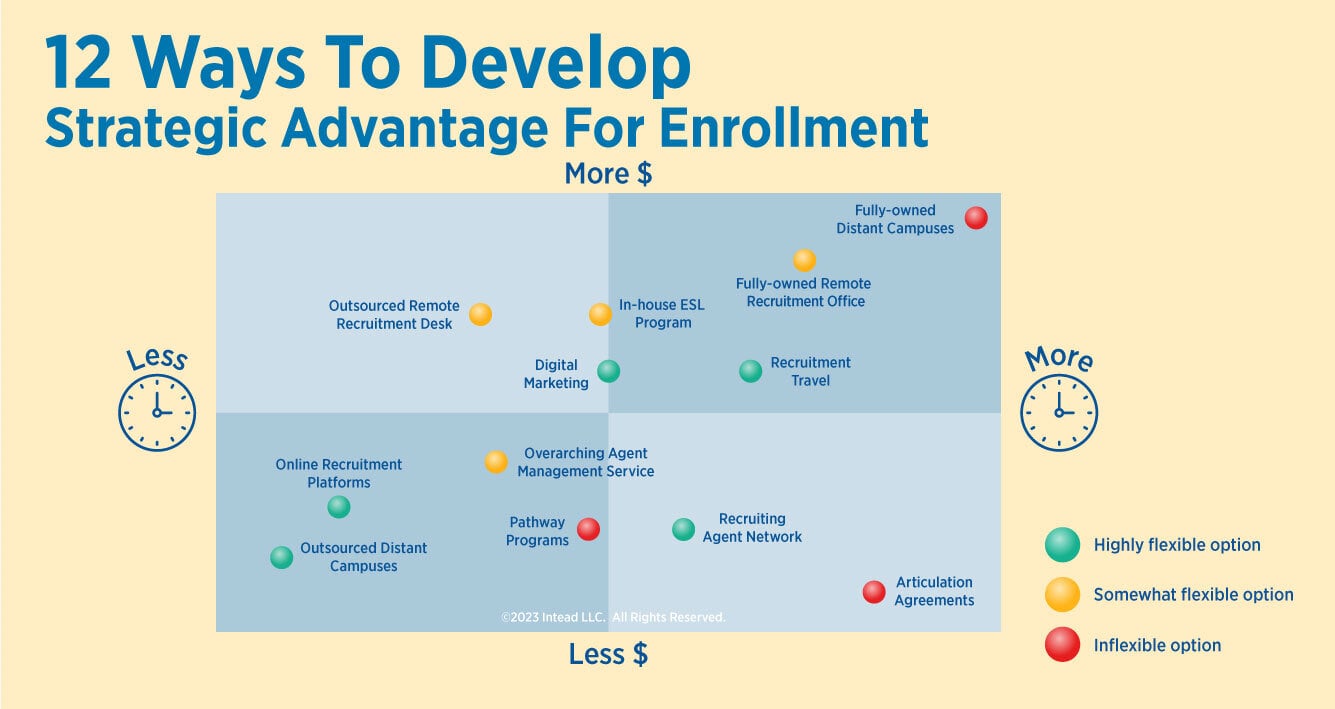
The student recruitment landscape has been in a state of flux that was forced upon all of us. Institutions have adapted in obvious ways (ramping up online education) and subtler ways that vary by institution. [Note: In Spring 2023, We updated this blog post from our previous summary of 10 international recruitment options to now incorporate 12 options]

Looking a bit over the horizon, we recognize that there is always the potential for unanticipated disruptions in addition to the challenging factors we see very clearly. As we consider what is next, the lever that has the greatest value is flexibility. The ability to ramp up or down with relative ease. The avoidance of plans that lock us into something long-term constricting our ability to adapt as circumstances change.

Building Flexibility Into the System

With that in mind, we offer up a quick comparison of 12 ways to develop strategic advantage for enrollment and their relative flexibility. In this case, we measure flexibility by two factors:

  • Time: Investment of administrative/staff time into making it happen and sustaining it
  • Money: Investment of capital (cash out) to make it happen

When we consider time, we also think about commitment – alliances and partnerships come with contracts that may or may not be easy to modify or escape from as factors on the ground change.

All in all, we see the largest value in those options that offer the greatest flexibility – least amount of effort (time), least amount of financial investment (money), and ability to ramp up or down on short notice (flexible contracts).

A little ways back, Brad Farnsworth, formerly at ACE and now running Fox Hollow Advisory, joined me to present at the CIEE Summit 2021. We discussed some of the options raised in this blog post and how they relate to institutional initiatives that deepen internationalization efforts.

Read on for more on those strategic advantages.

Read More

Having Data ≠ Using Data Part 2

Last week’s blog post helped define the data use problem. This week, taking us further into what to do about it.

Trust us, you’re not the only team whose data is not living up to its potential. It’s fairly common within teams and business units. It’s an issue of lack of time and/or lack of skills, but a problem worth solving. 

Because, without well-played data, your team is making decisions based on gut reactions and are more likely to participate in group think. That route is often poorly informed and heavily biased. Data informs and confirms. 

Data also drives curiosity. When your brain (or your team) has one of those aha! moments based on data, it craves more. New  market opportunities start to unveil themselves. New approaches to doing the work (operations) emerge. Prospective student enrollment pain-points will become more apparent – and the ramifications of leaving those pain points unresolved. 

Sure, data won’t solve these problems – that’s up to you – but it will help ensure the problems you’re solving are the ones worth pursuing. Data should be the foundation to most of the decisions you make.

Now, we don’t want to overstate it. Data is not magic (though what our data gurus pull out of the hat can feel like it!). It’s simply math. It’s what you do with that math – that’s the magic.  And that’s why every team needs access to digestible data and why self-service data analytics should be a priority for you. It certainly is for us.

This week we offer a process for helping you do just that. It’s a practical 5-step approach that starts with goal-setting and collaboration. Read on.

Read More